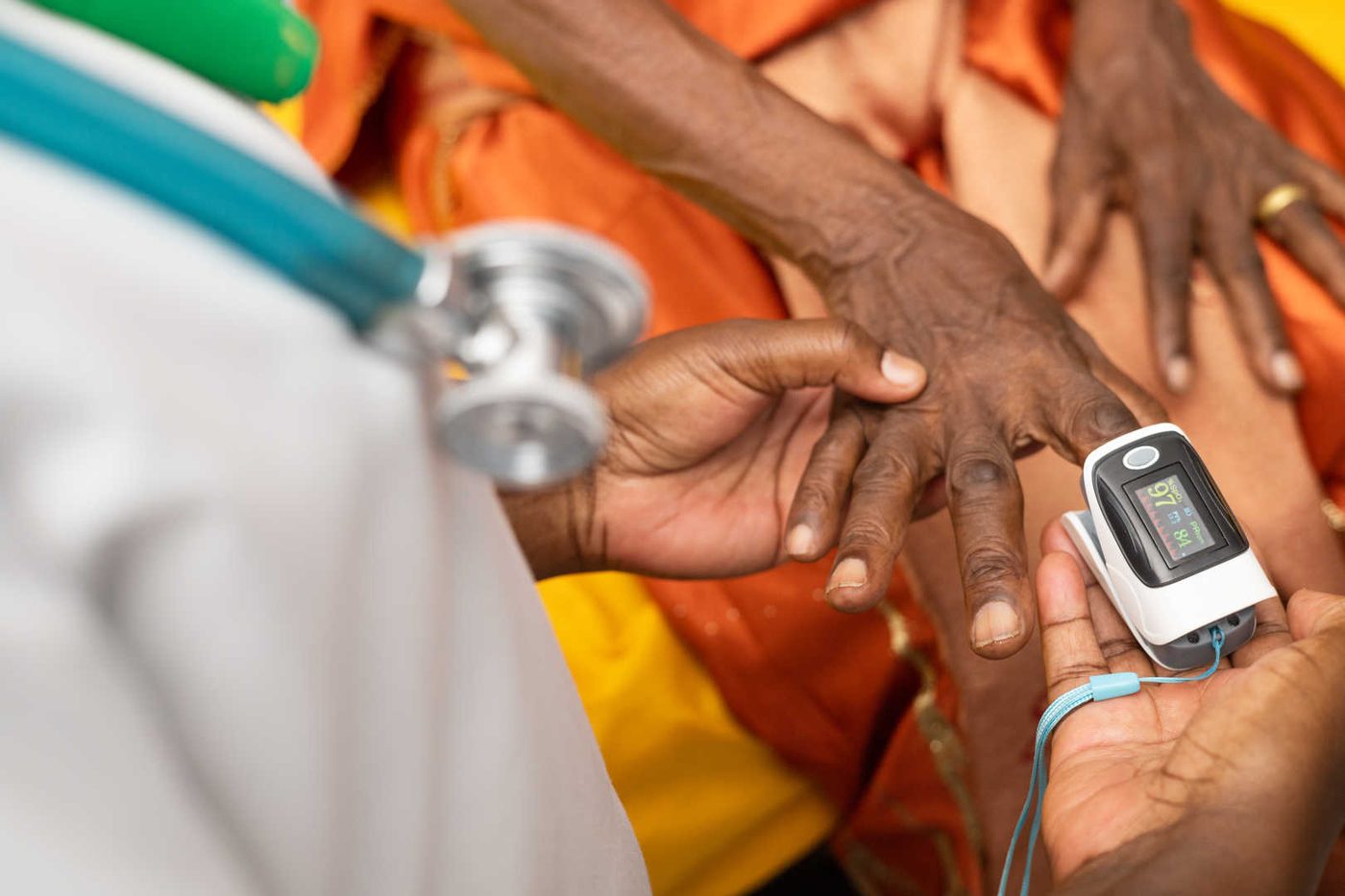
Cardiovascular Care
Pulmonary Embolism
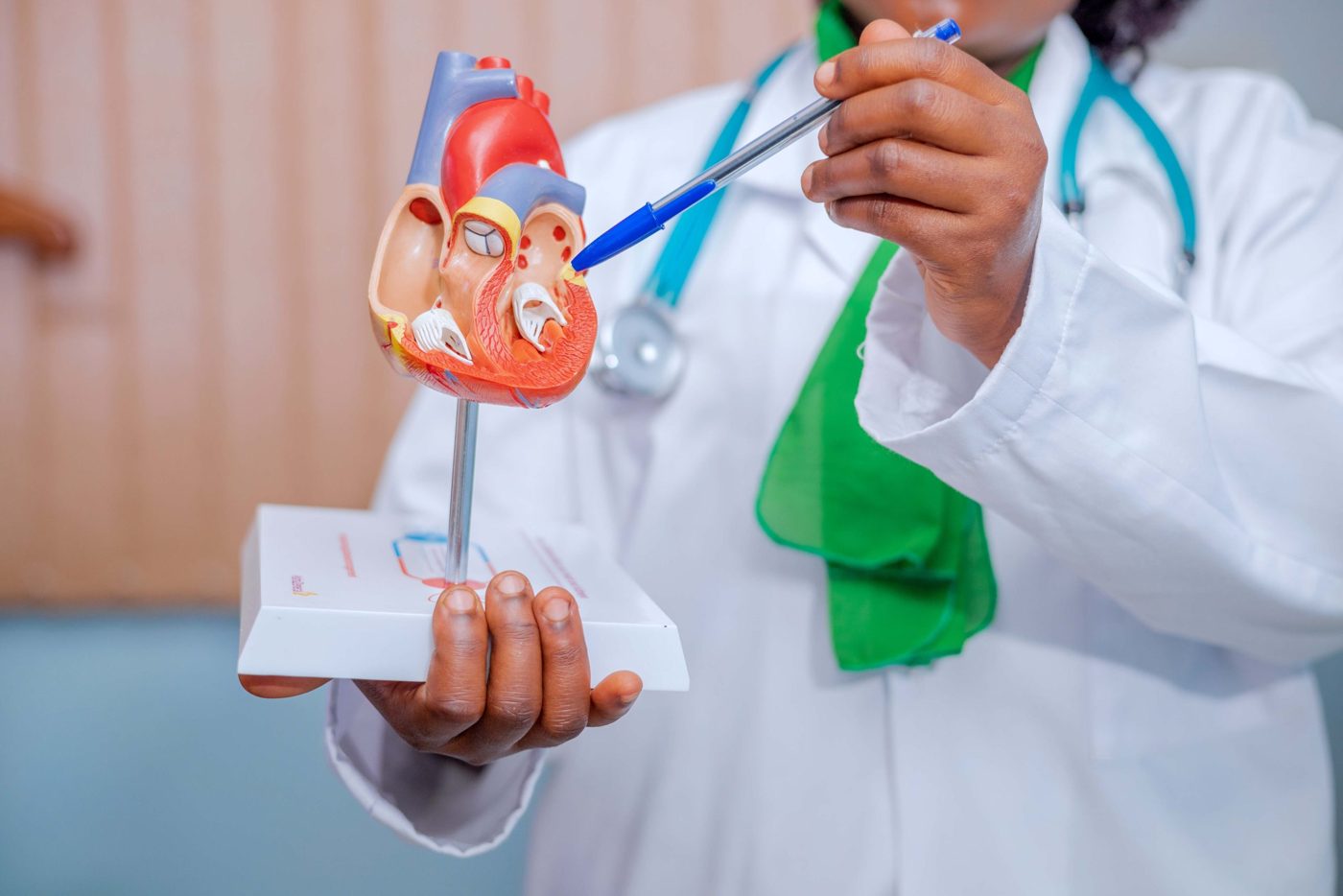
A medical emergency: sudden breathlessness, chest pain and coughing blood.
Understanding Pulmonary Embolism
A pulmonary embolism is a blood clot blocking an artery in the lungs.
How Crest May Support You
Pulmonary embolism is a medical emergency and is not managed at the clinic. Sudden breathlessness, chest pain, fainting or coughing blood requires immediate hospital treatment.
Medical Notice: Homeopathic care at Crest Natural Health Centre complements but does not replace emergency, hospital or specialist treatment. Patients should continue prescribed medicines unless their qualified medical practitioner advises otherwise.
Common Symptoms
Sudden unexplained breathlessness
Sharp chest pain
Rapid heartbeat
Fainting
Coughing blood
Sometimes preceded by swelling or pain in one leg
Causes & Triggers
Long periods of immobility (after surgery, hospital stays, or long journeys) allow clots to form.
Injury to blood vessels from surgery, fractures, or accidents raises the risk.
Conditions that make the blood clot more easily, including cancer, hormone therapy, and the contraceptive pill, are important contributors.
Smoking, obesity, and pregnancy or the weeks after childbirth also increase the risk.
Risks of Delaying Care
A large embolism can stop the heart, causing cardiac arrest.
Part of the lung tissue can die from lack of blood (pulmonary infarction).
It can trigger abnormal heart rhythms and, over time, raised pressure in the lung arteries (pulmonary hypertension).
How We Diagnose It
D-dimer blood test
Chest X-ray
Echocardiography
Electrocardiogram (ECG)
Complete blood count
Pulmonary angiography
When to Seek Help
Go immediately to an emergency hospital. This is not a condition for clinic-based complementary treatment.
From Our Clinic